
Today we’re diving into something that’s about as misunderstood as your cousin Bob’s dance moves at weddings: Diverticular disease.
Now, diverticulosis and diverticulitis sound intimidating, but I’m here to demystify these conditions, bust some outdated myths, and arm you with practical advice to keep your gut happy and healthy, because your belly deserves better!
Let’s Set the Scene…
Imagine your neighbor, Linda, she’s in her mid-50s, active, loves her morning yoga, but one day she feels a sharp pain in her lower abdomen. Panic ensues, Google searches spiral, and before she knows it, she’s avoiding popcorn at movie nights, nuts on her salads, and even strawberries because, “those seeds might cause diverticulitis!”
Sound familiar? Well, hold onto your smoothies, because we’re about to rewrite Linda’s story, and maybe yours.
Myth #1: Nuts, Corn, and Seeds Are Dangerous—Right?
For decades, doctors warned patients like Linda to avoid nuts, seeds, corn, and even certain fruits, thinking these foods might trigger diverticulitis flare-ups. But guess what? Science has officially busted this myth wide open.
Two major studies, one involving thousands of men, another following nearly half a million women, showed no evidence linking nuts, corn, seeds, or seeded fruits with diverticulitis attacks or complications. Not a single popcorn kernel or almond caused trouble.
So yes, Linda can have her popcorn back. And you can, too!
Instead, what these studies do support is shifting your diet to be more anti-inflammatory, like the Mediterranean diet (think fruits, vegetables, whole grains, fish, healthy fats like olive oil). It’s tasty, easy, and gut-friendly.
Myth #2: Antibiotics Are Always Required—No Exceptions?
Here’s another bombshell: Not every case of diverticulitis requires antibiotics. You heard right! For mild or uncomplicated diverticulitis, antibiotics often don’t offer extra benefits.
Current research strongly supports a simple, sensible approach:
- Clear liquid diet
- Rest
- Monitoring your symptoms closely
However, antibiotics are still critical if you have signs of severe inflammation, high fever, weakened immunity, or if the CT scan shows extensive inflammation. The key here is moderation, not overtreatment.
Myth #3: A CT Scan is Needed Every Time Symptoms Appear—Right?
Not exactly. Although CT scans are incredibly helpful in severe cases, we’re realizing they’re overused. Each CT scan exposes you to radiation, so we now emphasize careful judgment before ordering one.
My advice? Use CT scans when truly necessary, like severe symptoms, high fevers, or unclear diagnosis, but for routine symptoms or minor flares, rely on good old-fashioned doctor-patient communication first.
The Surprising Truth: Your Genes Matter More Than You Think
Did you know diverticular disease has a strong genetic component? It’s true, over 30 different genetic markers are linked to diverticulosis, and several are associated with diverticulitis.
If your parent or sibling had diverticular disease, you’re at significantly higher risk. Twins studies show nearly 50% of diverticulitis recurrence can be attributed to genetics alone!
Knowing your family history is powerful, it helps your doctor personalize your care, diet, and preventive strategies.
The Most Important Thing: Preventing Recurrence
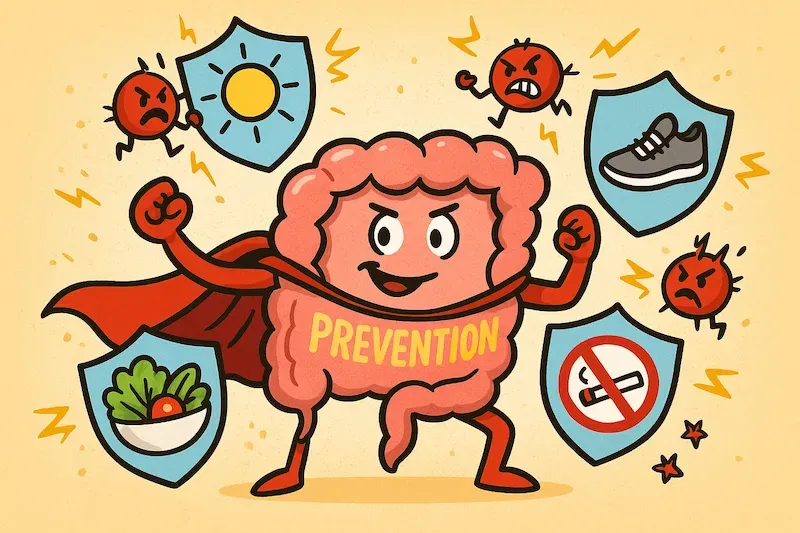
Diverticulitis loves a comeback story. After your first episode, about 20% of folks will experience another within 10 years, and that number jumps dramatically with each flare. So, prevention becomes your superpower.
Here’s what science backs as preventive steps:
- Stop Smoking: Smoking is strongly tied to flare-ups. If you smoke, quitting or cutting back dramatically lowers your recurrence risk.
- Limit NSAIDs (like ibuprofen): Frequent NSAID use irritates your gut lining and raises your risk. However, aspirin prescribed for heart protection should be continued.
- Control Weight and Stay Active: Abdominal obesity is linked to higher diverticulitis risk, while vigorous activity reduces it. Time to dust off those sneakers!
- Moderate Alcohol: Heavy drinking can increase flare-ups. Moderate alcohol intake doesn’t seem problematic, but always practice moderation.
- Check Vitamin D Levels: Here’s something new, low Vitamin D is linked to higher risk. I recommend having your levels checked regularly and supplementing if low.
The Lingering Symptoms—Should You Panic?
Many patients report mild lingering symptoms, like occasional cramps, even after recovery. Relax! About 45% of patients experience these mild, intermittent symptoms. They don’t necessarily mean another flare-up is coming. Usually, these sensations are due to increased gut sensitivity (visceral hypersensitivity) or changes in gut bacteria.
Managing these symptoms can be straightforward:
- Antispasmodics help reduce cramps.
- Low-dose antidepressants (yes, really!) can calm overly-sensitive gut nerves.
- Keep stress managed, stress often triggers gut symptoms.
Bottom line: Don’t let minor symptoms cause unnecessary panic, but always watch out for persistent, severe, or worsening pain.
Dr. Ted’s Actionable Takeaways for a Happy Gut
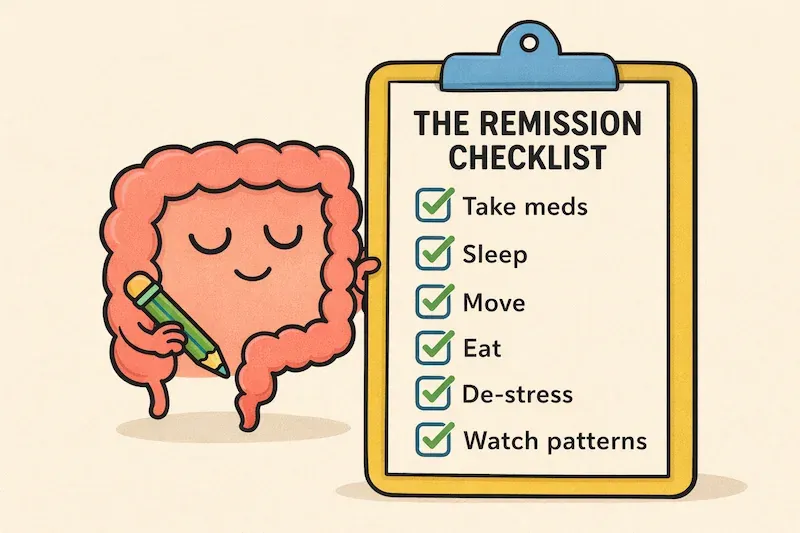
Here’s your quick cheat sheet for diverticular health:
- Eat Freely: Nuts, seeds, popcorn, enjoy them all!
- Choose an Anti-inflammatory Diet: Mediterranean style, deliciously easy, and gut-friendly.
- Know Your Family History: It matters for risk assessment.
- Go Easy on Antibiotics & CT Scans: Only when truly necessary.
- Maintain a Healthy Weight & Stay Active: Exercise literally protects your gut!
- Don’t Smoke & Limit Alcohol: Your gut will thank you.
- Monitor Vitamin D Levels: Supplement if needed.
- Stay Calm About Mild Symptoms: Learn to recognize serious flares vs minor discomfort.
Imagine a Future Free of Gut Anxiety
Understanding diverticular disease means less anxiety, better health decisions, and a happier gut. Your gut doesn’t have to run your life, you can take charge, armed with science-backed truths.
Next time someone tries to scare Linda, or you!, about popcorn at movie night, smile confidently and pass the bowl.
As always, keep smiling, stay informed, and give your gut the love it deserves.
This article is for education only and isn't a substitute for advice from your own doctor. If something feels off, talk to your care team.