
Key Takeaways
- Stress reshapes your microbiome. Chronic stress lowers diversity, shrinks helpful short-chain fatty acid producers, and lets opportunistic microbes bloom.
- Signals get scrambled. Stress hormones and poor sleep disrupt gut–brain communication, leading to irregular motility, bloat, and unpredictable bowel habits.
- Your gut barrier weakens. Cortisol and inflammation can thin the gut lining, letting more “traffic” through and triggering immune chatter.
- Real-life symptoms show up fast. Constipation, diarrhea, bloating, skin flares, mood dips, and poor sleep are common stress–gut loop effects.
- The fix is steady rhythm, not perfection. Sleep windows, fiber, fermented foods, movement, and stress-calming tools restore microbiome balance over time.
Tell me if this sounds familiar. Work pings won’t quit, your jaw is tight, dinner is a blur, and your belly is… louder than usual. More gas. More bloat. Bowels playing roulette. You wonder if you ate something wrong.
Maybe. But there is another suspect. Chronic stress can tilt your gut ecosystem, one nudge at a time, until your microbiome behaves like a city running without traffic lights.
Pull up a chair. I’ll show you what stress does to your gut bugs, how that shows up in real life, and a plan to restore order without turning your pantry into a science lab.
A quick story from the stress-gut loop
Meet Jordan. New project. Too many tabs open. Sleep trims down to six hours a night. Breakfast becomes coffee, lunch becomes emails, and dinner is whatever lands on a plate. Within two weeks, Jordan’s gut shifts. Less regular. More bloat. Skin breaks out. Mood dips.
Did the gut forget how to gut? Not quite. Stress turned the dials.
What chronic stress does inside your gut
Think of your microbiome as a neighborhood. When stress sticks around, the zoning laws change.
- Diversity drops. Fewer species means a less resilient community. When one thing goes wrong, more things wobble.
- Helpful SCFA-makers dip. Groups that produce short-chain fatty acids like butyrate often shrink. SCFAs feed your colon lining and help your immune system play nicely. Less of them can mean more sensitivity, more inflammation, and a leakier barrier.
- Opportunists bloom. Some strains expand when the neighborhood is under pressure. That can push gas, bloating, and immune misfires.
- Signals scramble. Stress chemistry tweaks neurotransmitters like serotonin and norepinephrine. The gut has more serotonin receptors than the brain, so when the signal gets noisy, motility and sensation do too.
- Sleep slides. Short, irregular sleep is a stress multiplier. It changes hunger, mood, and the daily rhythm your microbes keep time with.
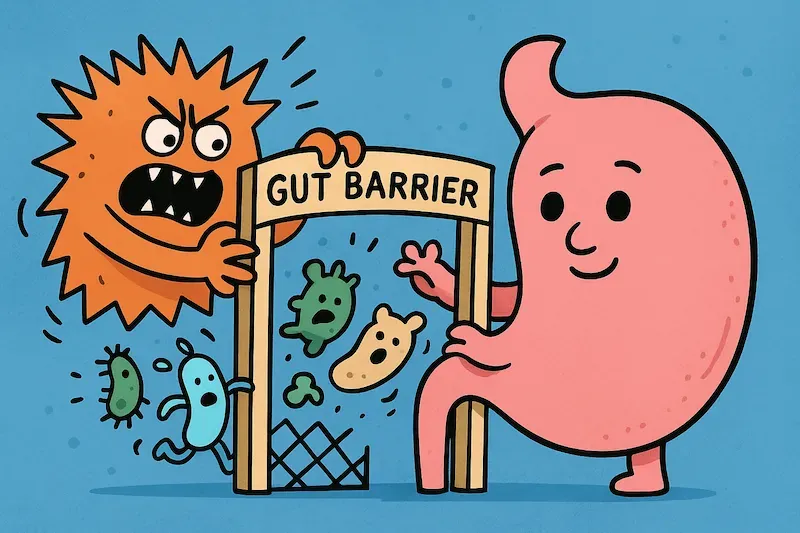
- The barrier thins. Cortisol and low-grade inflammation can make the gut lining more permeable. More traffic through the gate means more immune chatter.
You are not broken. Your system is reacting to load.
How this shows up in real life
- You swing between constipation and looser days
- Meals that used to sit fine now feel heavy
- You feel full on a normal portion, then snack at night
- Skin and mood flare with the belly
- Sleep feels light and you wake unrefreshed
If you live with IBS, anxiety, trauma history, or tough life stressors, you may feel the dial more. If your symptoms are severe, escalating, or come with red flags like bleeding, weight loss, fever, or night pain, please check in with your clinician.
Your two-week “Calm the Colony” plan
No perfection. Just steady, simple cues that your gut bugs understand.
Week 1: Stabilize the rhythm
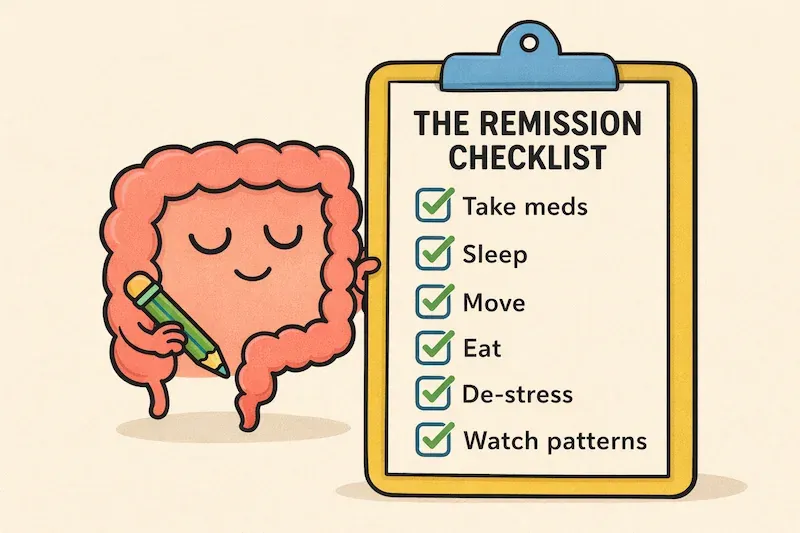
- Pick a 7-day sleep window. Same wake time daily. Count back 8 hours for lights out.
- Morning light and a short walk. 5 to 10 minutes outside within an hour of waking. Your microbes keep a clock too.
- Fiber the friendly way. Add one serving of soluble fiber daily. Options: cooked oats, a kiwi, chia in yogurt, or 1 tsp psyllium with water. Hydrate.
- One fermented food per day. Plain yogurt, kefir, kimchi, sauerkraut, miso, or tempeh. Small portions count.
- Protein anchor each meal. Steadies blood sugar so your stress cravings don’t run the show.
- Phone curfew. Dim screens 60 minutes before bed. Park the phone outside the bedroom.
Week 2: Feed, move, and soothe
- Upgrade plants. Aim for 10 to 15 different plant foods across the week. Variety feeds diversity.
- Prebiotic nudge. Add onions, garlic, leeks, asparagus, bananas, or oats in portions your gut tolerates. If FODMAP sensitive, go small and slow.
- Move daily. 20 to 30 minutes of anything you will actually do. Walks count. Movement improves motility and mood.
- Breathing drill before meals. Inhale 4, hold 2, exhale 6, for 60 to 90 seconds. Switches your gut from fight mode to digest mode.
- Sip smart. Fizz and alcohol can amplify bloat and fragment sleep. Swap some with still water or herbal tea.
- Keep a simple log. Jot stress level, sleep window, primary symptom, and what helped. Patterns show up fast.
Food list you can start today
Often helpful
- Fermented: plain yogurt, kefir, kimchi, sauerkraut, miso, tempeh
- Prebiotic plant foods: oats, barley, greenish bananas, asparagus, leeks, onions, legumes if tolerated
- SCFA builders: cooked then cooled potatoes or rice, lentils, ground flax, chia, psyllium
- Fats for calm: olive oil, walnuts, avocado
- Gentle proteins: eggs, fish, tofu, slow-cooked chicken or beans
Go easy during flares
- Giant raw salads, big brassica piles, heavy carbonation, ultra-processed sweets, alcohol near bedtime
If you follow a low-FODMAP pattern, you can still work in fermented lactose-free yogurt, small portions of kimchi or sauerkraut, firm bananas, and oat-based options. Reintroductions matter. Use your log.
What about probiotic pills
They can help in specific cases, but they are not a cure-all. If you try one, choose a strain with evidence for your symptom, dose it correctly, test for 2 to 4 weeks, and stop if no clear benefit. Many people do better with food-first fermentation and fiber variety.
When to ask for more help
- Persistent or severe pain, bleeding, black stools, fever, or weight loss
- Night symptoms that wake you regularly
- Significant anxiety, depression, or trauma symptoms growing with your GI issues
- You suspect sleep apnea or your sleep never feels restorative
- IBS or IBD that is flaring beyond your usual pattern
Care is a team sport. GI care, primary care, nutrition, and gut-directed psychotherapy often work best together.
Your one-minute daily reset
Right before you eat, place one hand on your chest and one on your belly. Breathe slow for five cycles. Notice your shoulders drop. Then take your first bite. This tiny pause tells your nervous system it is safe to digest.
The takeaway
Chronic stress changes the neighborhood in your gut. Diversity dips, helpful bugs shrink, and the barrier gets chatty. The fix is not exotic. Restore rhythm, feed the right residents, move a little, breathe a little, and protect your sleep. Small signals, repeated, bring the city back online.
You bring the consistency. I’ll bring the coaching.
This article is for education only and isn't a substitute for advice from your own doctor. If something feels off, talk to your care team.